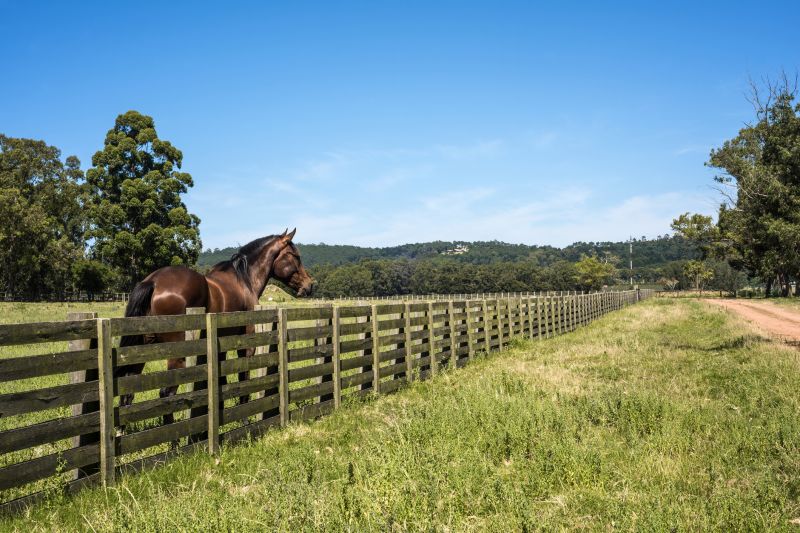
Equine Fence Installation in Roseville, CA
Equine fence installation services involve setting up fencing systems designed to safely enclose pastures, riding areas, or stall yards for horses and other livestock. These projects can include installing traditional wooden fences, vinyl fencing, or metal options, tailored to meet the needs of the property and the animals. Homeowners typically request these services when creating or upgrading horse enclosures, ensuring secure boundaries that are durable and suitable for outdoor conditions. Before requesting installation, property owners should consider the size and layout of the area, the type of fencing material preferred, and any local regulations or property restrictions that may apply.
Understanding the specific requirements for equine fencing is essential for a successful project. Property owners often want to know about the different fencing options available, their maintenance needs, and how each type can impact the safety and containment of horses. It’s also helpful to consider the terrain and climate of the area, as these factors influence the choice of materials and installation techniques. Clear communication about the intended use, fencing durability, and aesthetic preferences can help ensure the final result meets expectations and provides a long-lasting enclosure for horses and other livestock.
Many property owners in Roseville, CA look into Equine Fence Installation for repairs, replacements, upgrades, and appearance-related improvements.
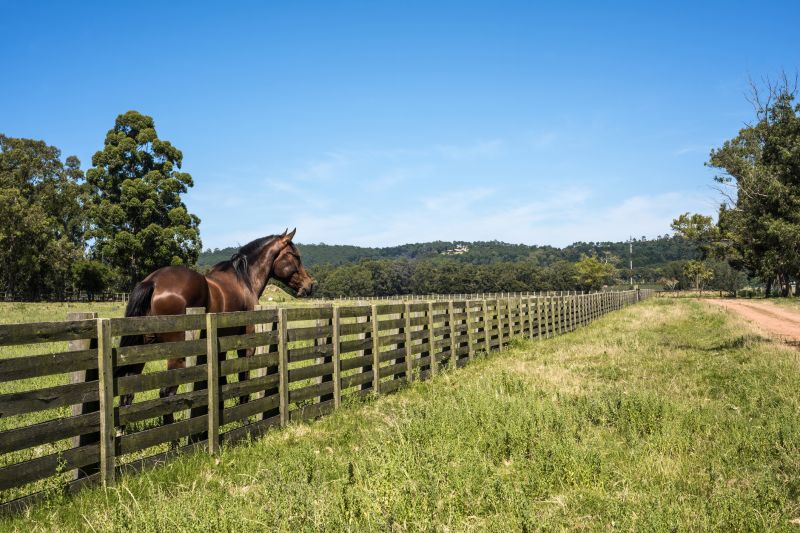
Types Of Equine Fences
Different fencing options are available to suit pasture needs and property aesthetics in roseville.
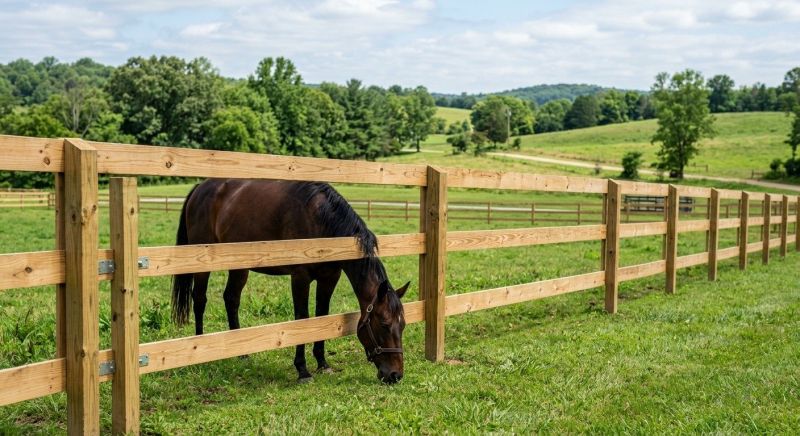
Safety And Security
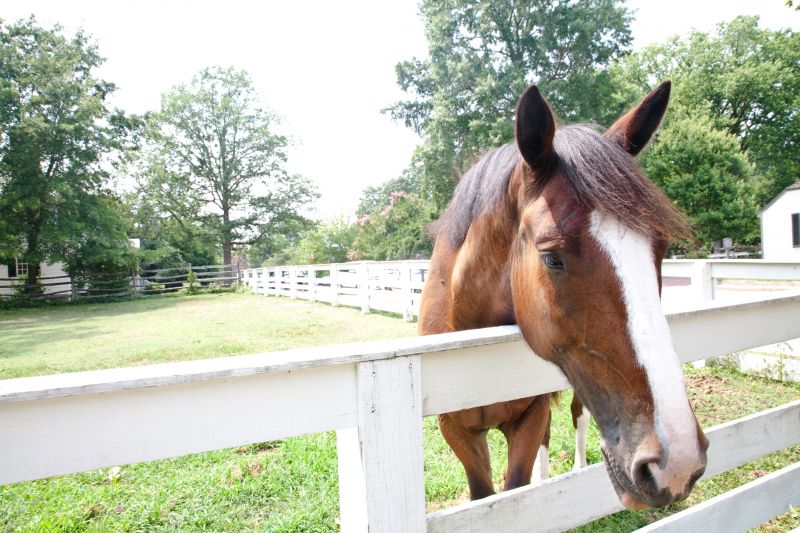
Properly installed fences help keep horses safe and contained within designated areas on the property.
Maintenance And Durability
Choosing quality materials ensures the fence remains sturdy and requires minimal upkeep over time in roseville.
Equine Fence Installation in Roseville, CA
Equine fence installation services involve setting up fencing systems designed to safely enclose pastures, riding areas, or stall yards for horses and other livestock. These projects can include installing traditional wooden fences, vinyl fencing, or metal options, tailored to meet the needs of the property and the animals. Homeowners typically request these services when creating or upgrading horse enclosures, ensuring secure boundaries that are durable and suitable for outdoor conditions. Before requesting installation, property owners should consider the size and layout of the area, the type of fencing material preferred, and any local regulations or property restrictions that may apply.
Understanding the specific requirements for equine fencing is essential for a successful project. Property owners often want to know about the different fencing options available, their maintenance needs, and how each type can impact the safety and containment of horses. It’s also helpful to consider the terrain and climate of the area, as these factors influence the choice of materials and installation techniques. Clear communication about the intended use, fencing durability, and aesthetic preferences can help ensure the final result meets expectations and provides a long-lasting enclosure for horses and other livestock.
Many property owners in Roseville, CA look into Equine Fence Installation for repairs, replacements, upgrades, and appearance-related improvements.
Common Equine Fence Installation Jobs
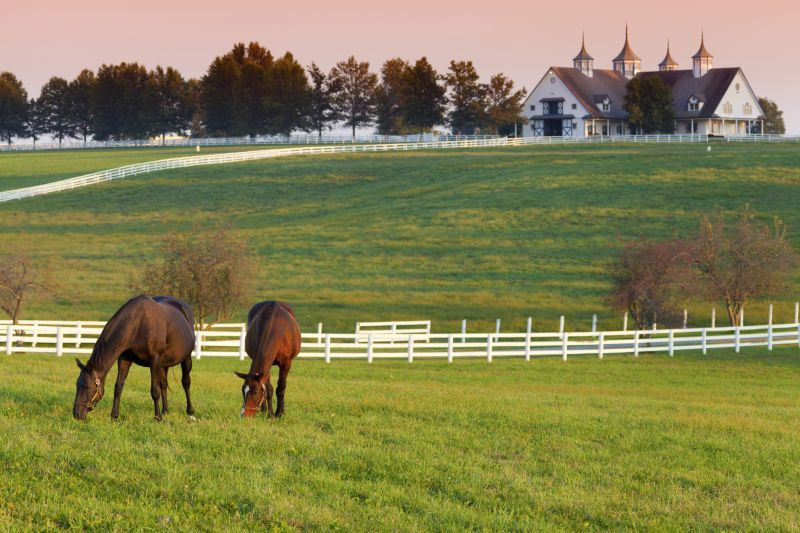
Equine Fence Installation - custom fences designed to keep horses safely contained on residential properties.
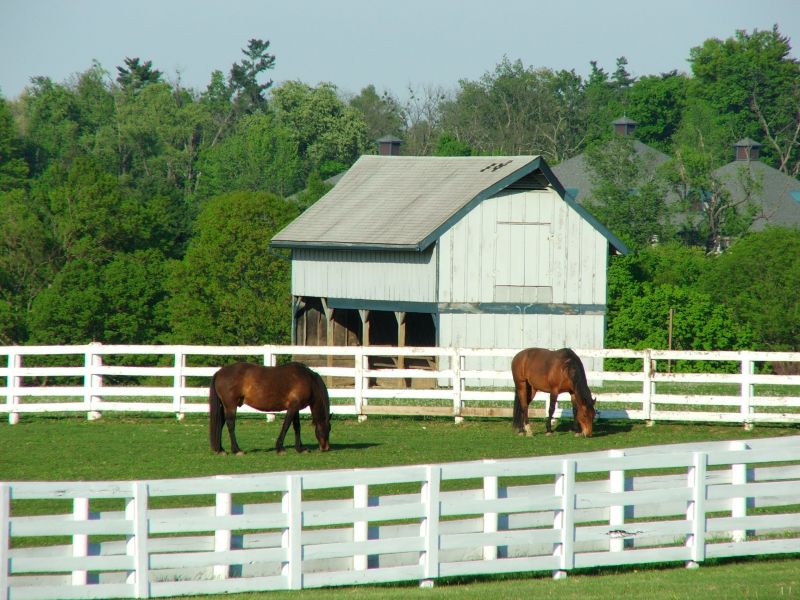
Wood Fencing - traditional horse fences that provide durability and a natural look.
Pipe Fencing - sturdy metal options ideal for larger pastures and high-traffic areas.
Electric Fencing - flexible solutions to supplement existing fencing and improve containment.
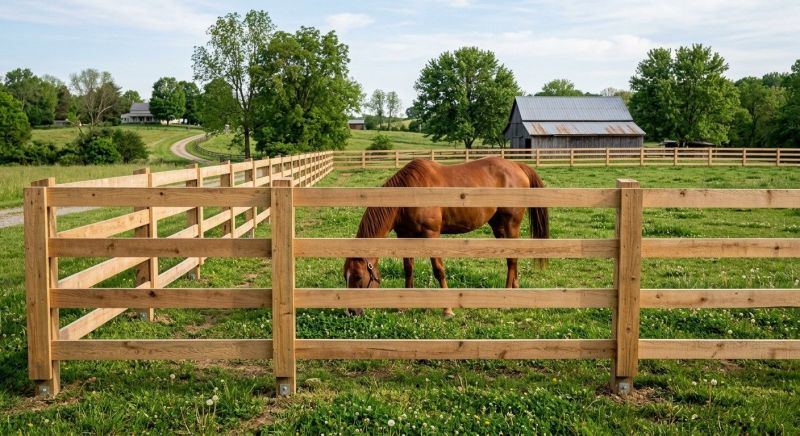
Post and Rail Fencing - classic style fencing that offers visibility and a spacious feel.
Fence Repair and Replacement - restoring or upgrading existing fences to ensure safety and longevity.
Equine Fence Installation Questions
What types of fencing materials are suitable for equine installations? Common options include wood, vinyl, and metal panels, each offering durability and safety for horses.
How high should an equine fence be? Typically, fencing should be at least 4 to 5 feet tall to prevent horses from jumping over.
Are there fencing styles that allow for visibility and airflow? Yes, open styles like rail or mesh fences provide good visibility and ventilation for horses.
What considerations are important for fencing around uneven terrain? Proper post placement and reinforcement help ensure stability on sloped or irregular ground.
Request Equine Fence Installation in Roseville, CA
Use the quote form on this page to share the basics of your project and request more information for the type of work you need.